Business intelligence consulting
Define the decisions, reporting requirements, and tools that should guide your analytics work.
- Business questions and reporting priorities
- Data source and tool assessment
- Analytics roadmap and implementation scope

Combine business intelligence, predictive analytics, and applied machine learning to understand performance and support planning. Develop reports, forecasts, and models around defined business decisions.
Define the business question, prepare the relevant data, and select the analytical approach. We develop and validate outputs with assumptions and limitations made clear.
Define the decisions, reporting requirements, and tools that should guide your analytics work.
Use historical data and models to examine likely outcomes and support planning decisions.
Compare possible actions using optimization or simulation around an agreed business decision.
Examine behavior, purchasing patterns, and engagement to inform product, marketing, and retention decisions.
Find themes and sentiment in text sources such as surveys, reviews, and customer feedback.
Develop analytical models for specific tasks, such as recommendations, anomaly detection, or predictive maintenance.
Bring reporting, analysis, and relevant models closer to the decisions your business needs to make.

Bring relevant data sources and metric definitions together in reports or dashboards that teams can use to understand business performance.
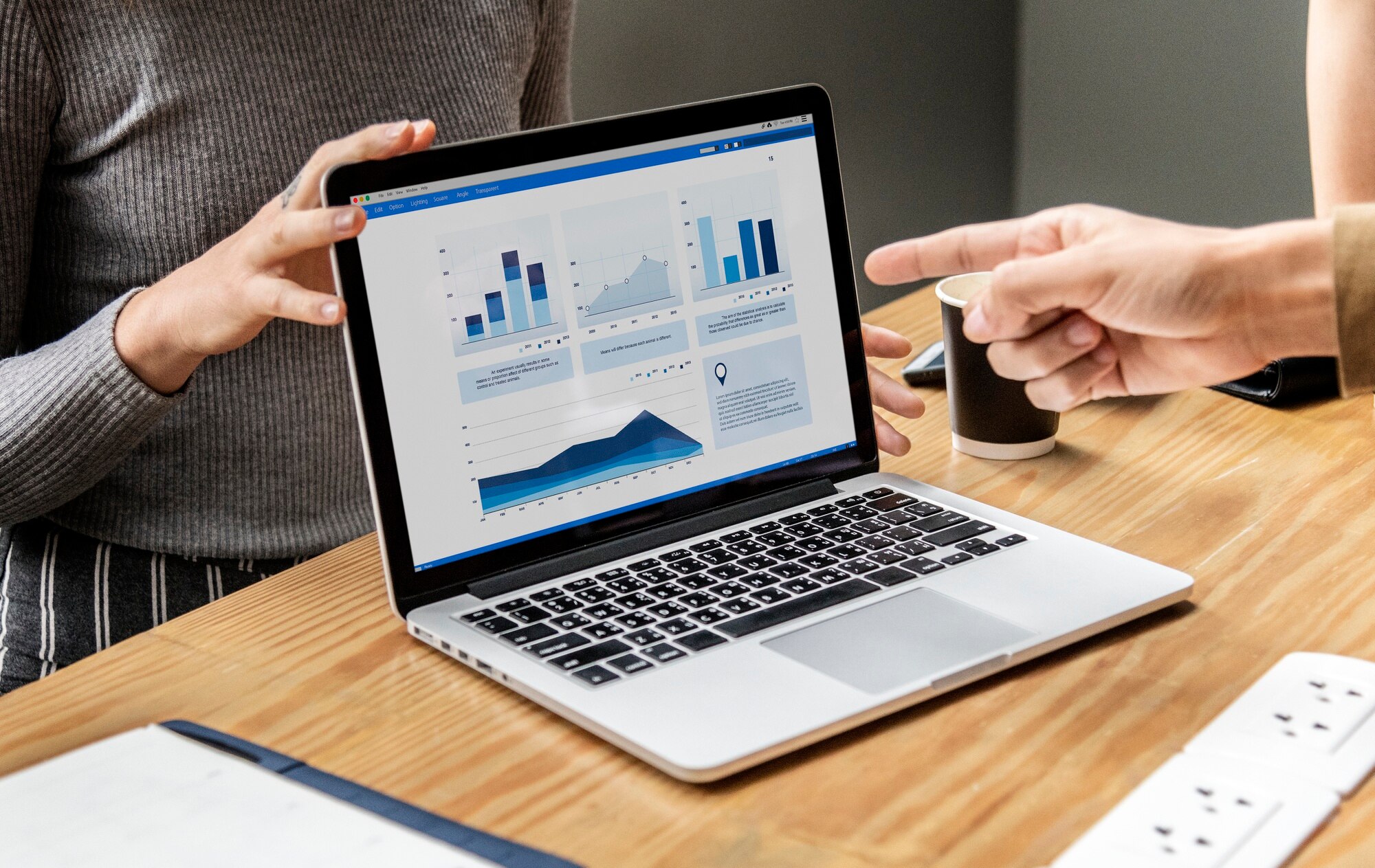
Examine trends, forecast scenarios, or compare possible actions using assumptions that planning teams can review.

Use suitable models to explore recommendations, anomalies, sentiment, or other defined tasks, with results checked against the business context.
Agree on the decision and measures, assess data quality, and develop reports or models. Validate the results with your team and define how the outputs will be used and updated.
Agree on the question, the users, and the measures that matter.
Review sources and resolve the quality issues relevant to the analysis.
Develop reports or models and check results against the business context.
Walk teams through the outputs and plan updates as needs change.
Analytics connects business questions to reporting, forecasts, and models that teams can interpret and evaluate.
Compare trends and scenarios using documented measures and assumptions.
Analyze bottlenecks, resource use, and performance to prioritize improvements.
Examine behavior and engagement to inform product, marketing, and retention decisions.
Explore market and business patterns to identify areas for further investigation.
Begin with a reporting gap, a planning question, or an operational decision that needs a clearer view of the data.
Use sales history and demand patterns to inform stock planning and replenishment.
Examine operational data to identify delays, resource constraints, and improvement priorities.
Explore trends and forecast scenarios with assumptions that planning teams can review.
Align data sources and metric definitions so teams can work from consistent reporting.
Answers about scope, existing systems, and delivery requirements.
Structured data from databases, unstructured text, and semi-structured formats such as XML or JSON can all be part of an analytics project. The sources and quality of the data shape the approach.
We plan data access, governance, and handling around the information involved and the requirements that apply to your organization, including relevant data protection obligations.
Security measures can include access controls, encryption, and review of the data flow. The controls are defined for the systems, data, and risks involved in the project.
Analytics can support retail, financial services, healthcare, manufacturing, and other sectors. The questions and available data differ by industry.
Support can include troubleshooting, updates, and optimization as data and business requirements change. The support period and responsibilities are agreed in the engagement scope.
Tell us which decisions you need to support and where the relevant data sits. We can define the reporting or analysis required.